If you run a Shopify store, you probably know that traffic is everything. But getting people to find you on Google doesn't happen by accident. SEO for Shopify is about making small, strategic changes to help search engines understand your store and show it to people actively looking for what you sell.
The good news? Shopify already does a lot of the heavy lifting for you. It handles technical SEO basics like canonical tags (which prevent Google from seeing duplicate versions of the same page). Your job is to layer on keyword strategy, fresh content, and smart site structure to actually rank.
Let's walk through what you need to do.
Start With Shopify's Built-In SEO Tools
Shopify gives you a centralized SEO overview tool. It's worth exploring because it consolidates guidance on keywords, site structure, sitemaps, and how search engines crawl your store. You don't need to dig through 10 different settings. It's all there.
Go into your Shopify admin, find the SEO section, and spend 30 minutes understanding what Shopify is telling you about your store's health. This is your baseline. It shows you what's working and what needs attention.
Pick Keywords With Buying Intent
Not all keywords are equal. The ones that matter most for your Shopify store are keywords where people are ready to buy, not just casually browsing.
For example, "blue running shoes" is better than "why do runners wear blue." One person is shopping. The other is just researching.
Focus on keywords where your audience has commercial intent. They're more likely to convert, and you have a real shot at ranking for them because they're usually less competitive than massive generic terms.
Build a Blog and Link to Your Products
This is where most Shopify store owners miss a huge opportunity. A blog isn't just for blogs. It's a ranking machine for your store.
Create content targeting topics your audience searches for on Google. Write about problems your products solve, how-to guides, and industry tips. Then naturally weave in links to your actual products within the articles.
Related: WordPress SEO: Complete Guide to Ranking Higher in Search
Related: How to Do SEO: A Beginner's Guide to Ranking on Google
For example, if you sell yoga mats, write an article like "How to Choose a Yoga Mat for Beginners" and link to your beginner-friendly mat collection. The article ranks on Google. Google readers click through. Some buy.
This is also where overrank helps. Instead of spending weeks researching keywords and writing blog posts yourself, you can automate content creation. The platform researches what your customers actually search for, writes SEO-optimized articles, and publishes them directly to your Shopify store through a simple embed script. No technical work required.
Want to 100% automate blogs on your site + get organic traffic?
Get a FREE Trial →Focus on Search Intent, Not Just Volume

A keyword with 5,000 monthly searches sounds great until you realize nobody is looking to buy anything. They want a definition. Or a video tutorial. Or something completely different from what you sell.
Before targeting any keyword, ask yourself: what does someone searching this term actually want? Are they looking to buy, or are they in research mode?
Prioritize satisfying what users actually want to find. Match their intent with your content. If they want to buy, show them product options. If they want education, teach them. This alignment is what actually gets you rankings and conversions.
Optimize Your Site Structure
Site structure sounds technical, but it's just organizing your store logically. Think of it like a bookstore with clear sections instead of random books everywhere.
Your homepage should link to your main product categories. Categories should link to individual products. Products should link back to relevant category pages. This creates a clean path for both people and search engines to navigate your store.
It also helps with crawlability. Ensure search engines can crawl your store effectively by keeping your navigation clear and your page depth reasonable. Don't bury important product pages five clicks deep in your menu.
Write Real Product Descriptions
Your product descriptions aren't just marketing copy. They're SEO real estate. Include the keywords people actually search for, but write for humans first.
Describe what the product does, who it's for, and why someone should buy it. Mention specific features and benefits. Answer common questions buyers have. This approach helps you rank for relevant keywords while actually converting visitors into customers.
Keep Your Store Crawlable and Fast
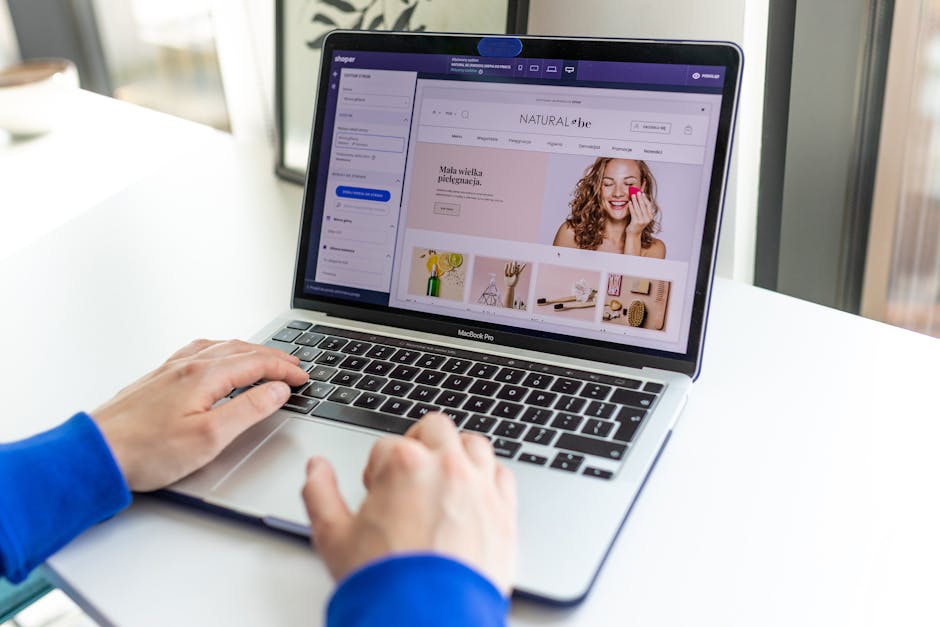
Search engines need to crawl your pages to rank them. Make sure your site structure is logical, internal links work, and you don't have broken pages. Shopify handles a lot of this automatically, but regularly check for errors in your SEO settings.
Page speed matters too. Slow stores rank worse and convert worse. Shopify is fast by default, but if you've added tons of apps or custom code, it might slow things down. Keep it lean.
Use Shopify's Sitemap and Analytics
Shopify automatically generates a sitemap for you. Submit it to Google Search Console. This tells Google exactly which pages exist on your store and helps it crawl more efficiently.
Then use Google Search Console and Shopify's analytics to see which keywords are actually bringing you traffic. Double down on what's working. Fix or rewrite what isn't.
If you're serious about scaling organic traffic to your Shopify store without hiring expensive writers or agencies, overrank can automate your blog content strategy. It does the keyword research, writing, and publishing in one workflow, so you can focus on running your business.
People Also Ask
How long does SEO for Shopify take to work?
Most pages take 3 to 6 months to rank on Google, though some competitive keywords take longer. Consistency matters more than speed. If you publish new, quality content regularly, you'll start seeing traffic and rankings improve steadily. Don't expect overnight results, but SEO for Shopify absolutely works if you stick with it.
Do I need to hire an SEO agency for my Shopify store?
Not necessarily. If you're willing to learn the basics and put in consistent effort, you can do SEO yourself. Many small store owners start with DIY tactics like blog writing and keyword optimization, then hire help later if they want to scale faster. The tools and guidance are available. It just takes time.
Can I do SEO for Shopify without a blog?
Technically yes, but you'll miss a huge opportunity. Optimizing your product pages and category descriptions helps, but a blog gives you space to rank for a much wider range of keywords and questions your customers ask. A blog is your best investment for long-term organic growth.
Does Shopify automatically handle SEO?
Shopify handles the technical foundation, like site structure and canonical tags. But it doesn't write your content, research your keywords, or build your strategy. That part is on you. You have to actively create and optimize content to actually rank on Google.
Want to 100% automate blogs on your site + get organic traffic?
Get a FREE Trial →