The biggest fear most business owners have isn't competition or pricing—it's wondering where the next customer will come from. If you're asking yourself "how do I get more customers," you're not alone. The good news? You don't need to be a marketing genius or have a huge budget. You just need a clear plan and consistent action.
Let's walk through the strategies that actually work, starting with the ones that cost you almost nothing but require steady effort.
Related: How to Rank Higher on Google: 8 Proven Strategies for 2026
Related: How to Get Customers for a Cleaning Business: 7 Proven Tactics
1. Show Up Consistently on Search Engines
When someone searches for what you sell, you want to be there. Search engine optimization (SEO) isn't magic—it's just about making sure Google knows you exist and that your business solves a real problem.
Start by identifying the questions your customers are actually asking. If you sell fitness equipment, people might search "best home workout equipment" or "how to build muscle at home." Then create content that answers those questions directly.
Writing one blog post and hoping for the best won't cut it. You need consistent, frequent content that tackles different angles of what you do. This is where tools like overrank can save you months of frustration—they automate keyword research and article writing so you get fresh, optimized content published without hiring writers or agencies.
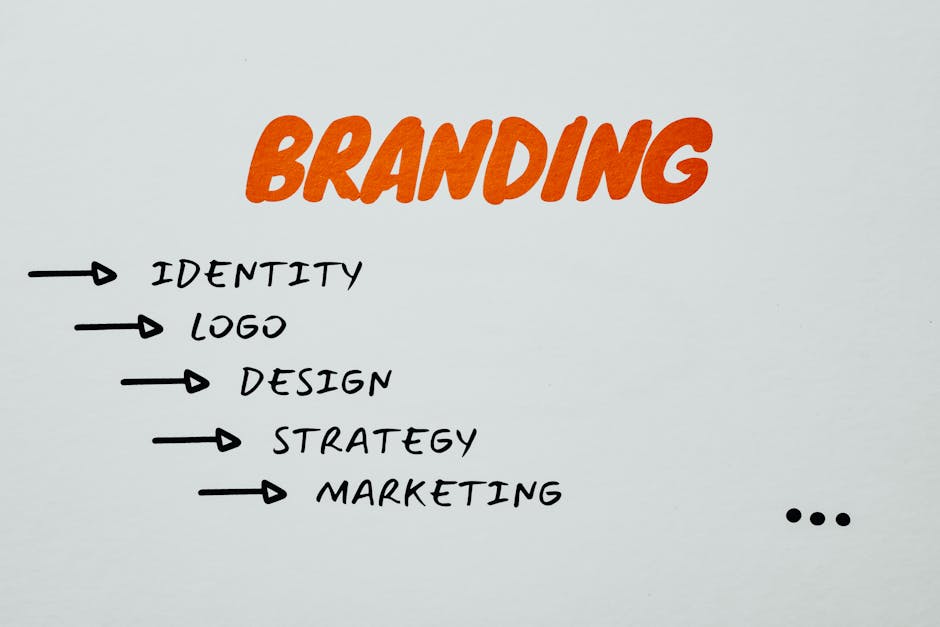
2. Build Your Brand Presence Online
People buy from businesses they recognize and trust. That doesn't mean you need to be famous—it means being visible and professional where your customers actually spend time.
Claim your Google Business Profile if you serve local customers. Make sure your website looks current and tells visitors exactly what you do. Use consistent branding across all your channels so people recognize you whether they find you on Google, social media, or a review site.
Your online presence is often the first impression a potential customer gets. Make it count.
3. Commit to Social Media Activity (But Be Smart About It)
Social media isn't about posting once a month and hoping something sticks. It's about showing up regularly where your audience hangs out.
Pick one or two platforms where your customers actually are. If you're a B2B service, LinkedIn probably matters more than TikTok. If you're selling to younger audiences, Instagram or TikTok makes sense. Then commit to consistent posting—not just pushing sales messages, but sharing useful tips, behind-the-scenes looks, and genuine engagement with your community.
Consistency beats perfection every time. A simple post twice a week that you actually stick with beats elaborate monthly campaigns you abandon after two months.
4. Join Communities Where Your Customers Already Gather
Instead of chasing customers everywhere, go where they're already hanging out and listening.
This might be Facebook groups, Reddit communities, industry forums, or even local networking groups. The key is participating authentically—answering questions, sharing expertise, and building relationships. When you become known as someone who actually helps people, they remember you when they need what you sell.
Don't join these spaces just to pitch. That gets you banned and wastes everyone's time. Join to genuinely contribute value.
5. Listen Actively to What Your Customers Need

Your existing customers are a goldmine of information about who else needs your services.
Ask them questions. What problem were they trying to solve when they found you? What almost made them choose a competitor? What do their friends ask them about your product? These conversations reveal pain points you can market to and help you find your next customer.
You can do this through quick phone calls, email surveys, or casual conversations. The format doesn't matter—honest curiosity does.
6. Leverage Local SEO If You Serve Nearby Customers
If people come to your physical location or you service a specific area, local SEO is your shortcut to more customers.
Make sure your name, address, and phone number are consistent everywhere online. Encourage happy customers to leave reviews on Google. Create content that targets your city or region—"best plumber in Denver" or "wedding photographer services in Austin." Local search rankings move fast, and the competition is often lighter than you'd think.
7. Don't Rely on Cold Calling Alone
Cold calling still works for some businesses, but it's exhausting and expensive per lead compared to what you can do online.
Most people now search for solutions before they're ready to talk to a salesperson. If you're only calling people, you're missing the ones who are actively looking. Build channels that let interested prospects find you first—search, content, community participation—and then you can have warmer conversations with them.
8. Master Your Messaging and Positioning
Too many businesses describe what they do, not what problem they solve.
"We're a marketing agency" doesn't sell. "We help small businesses get 3x more customers from Google search" does. The difference is huge. When potential customers instantly understand how you'll make their life better, they pay attention.
Spend time getting crystal clear on who you help, what specific problem you solve, and why you're different. Then use that messaging everywhere—your website, social posts, email, ads, all of it.
9. Use Organic Traffic Before Paid Ads

Paid advertising (Google Ads, Facebook Ads, etc.) can work, but it costs money immediately and you stop getting results the moment you stop spending.
Free organic traffic from search engines and social media takes longer to build but keeps working for you. Every blog post you publish keeps attracting readers months and years later. Every community relationship you build keeps paying dividends. Start here, prove what works, and then layer in paid ads once you have the budget and understand your numbers.
This is exactly why overrank focuses on automated SEO and organic content—it's the most cost-effective way to build long-term customer flow without throwing money at ads every month.
Want to 100% automate blogs on your site + get organic traffic?
Get a FREE Trial →10. Develop a Strategy Tailored to Your Business
Generic marketing advice only takes you so far. The best strategy for a plumber looks completely different from one for a SaaS company or a personal trainer.
Think about where your ideal customers look for solutions. What's their buying journey? Are they price shopping or solution hunting? Do they research online for months or decide quickly? Build your customer-getting strategy around how your specific audience actually behaves.
This doesn't need to be complicated. A one-page plan that identifies your top 3-4 customer channels and commits to consistent action beats an elaborate 50-page strategy you never execute.
Make Content Work for You
Here's the pattern you'll notice across all these strategies: consistency and showing value first, selling second. Whether it's SEO content, social posts, community participation, or direct conversations, the businesses that win are the ones that stay visible and helpful over time.
If creating that consistent content feels like too much work, that's where automation tools can save you hundreds of hours. You can have fresh, SEO-optimized blog posts published automatically without writing them yourself or hiring expensive content agencies.
People Also Ask
What's the fastest way to get more customers?
Paid advertising is fastest but most expensive. Getting more search engine traffic takes 3-6 months but costs less and compounds over time. The real answer: do both if you can afford it. Use ads to get quick wins while you build organic channels in the background.
How much should I spend on marketing to get more customers?
There's no magic percentage. Start by tracking where your current customers come from. If most come from search, invest there. If most come from referrals, invest in systems that encourage them. Spend based on what actually works for your business, not industry averages.
Can I get more customers without social media?
Absolutely. If your customers don't use social media or you hate posting, skip it. Focus on search engine rankings, email, partnerships, referral programs, or community involvement instead. Every business is different.
How long before I see results from these strategies?
Referrals and community relationships can happen in weeks. Search engine rankings usually take 3-6 months because Google needs time to index your content and see that it's helping people. Paid ads deliver results in days. Mix strategies with different timelines so you get some quick wins while building long-term channels.
Want to 100% automate blogs on your site + get organic traffic?
Get a FREE Trial →