
You have a great product.
Your customers love it, your reviews prove it, and the people who find you tend to come back.
So why does every search for what you sell lead to Amazon instead of your store?
Here is the uncomfortable truth.
When someone is deciding what to buy, they do not go straight to your site. They open Google.
They search best [your product] for beginners, or is [your product] worth it, or your product versus the other brand.
And the results are wall to wall Amazon, big box retailers, and affiliate blogs reviewing everyone but you.
Those pages capture the shopper first. By the time anyone reaches your product page, the decision is half made, often for someone else.
So you did what everyone says to do.
You ran Meta ads and watched the cost per purchase climb every quarter.
You paid for Google Shopping and the clicks stopped the moment the budget ran out.
You meant to start a blog, wrote one post, and then a restock, a supplier issue, and a launch swallowed the month.
I get it. You run a store, you are not a content writer.
Your time is worth shipping orders and building product, not wrestling with keyword research.
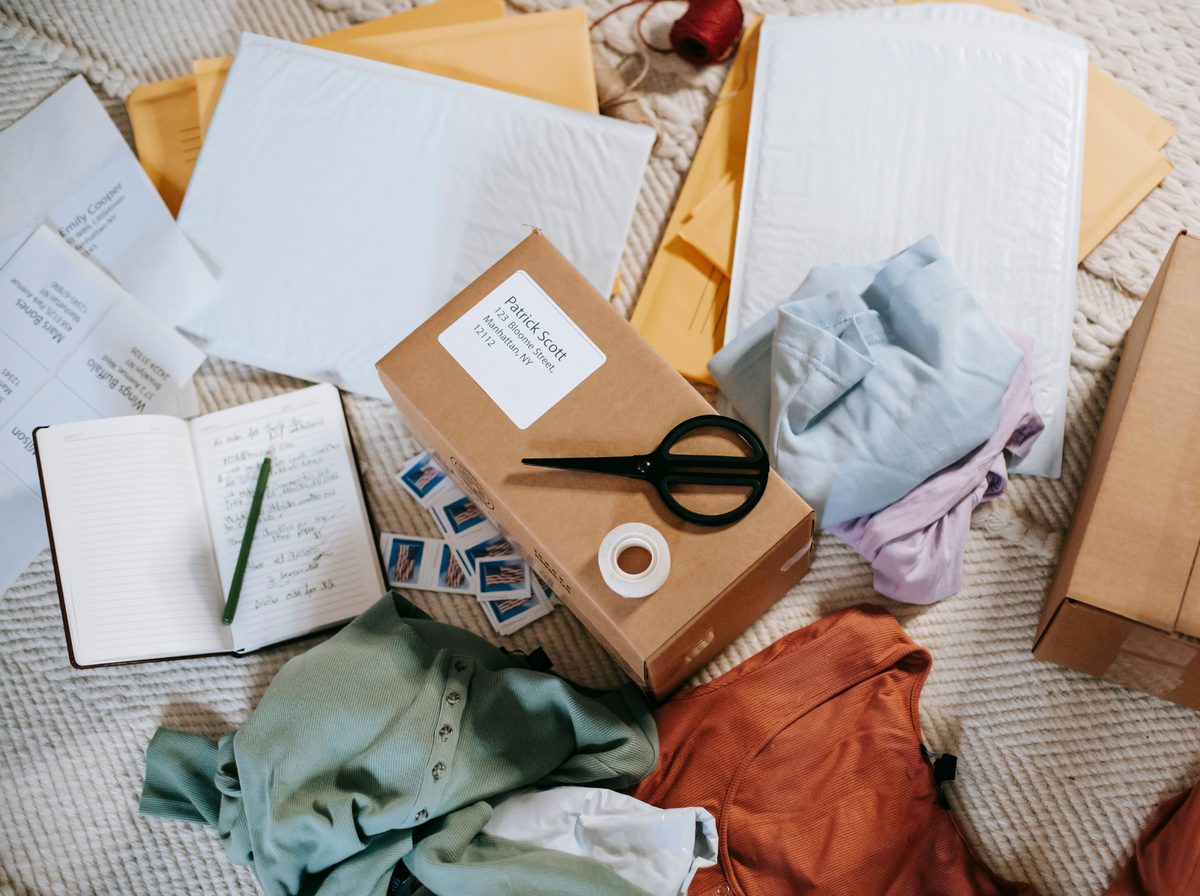
- Amazon, Etsy, and the big retailers outrank your store for almost every product search.
- Meta and Google Shopping ads work only while you keep paying, and the cost per sale keeps creeping up.
- Affiliate blogs review your competitors and send the buyers to a marketplace, not to you.
- Your product pages alone do not rank for the questions shoppers ask before they buy.
- You do not have a spare day a week to write buying guides between orders, restocks, and launches.
- You do not know SEO, and you should not need to learn it to get your own products found.
You never write a word. Overrank does all of it.
No time to write buying guides between restocks and launches? No idea how SEO works, let alone GEO or AEO? That is exactly the point. Overrank handles every piece of it for you, automatically, so you can keep running your store.
You never write or post anything
Overrank researches, writes, and publishes a new article to your site every single day. You stay on shipping and product.
No SEO knowledge needed
Keywords, meta tags, internal links to your products, schema markup. The technical SEO is handled for you. You never have to learn any of it.
GEO and AEO handled too
Showing up in Google AI Overviews and Gemini answers is its own skill. Overrank optimizes for those answer engines automatically.
Completely hands off
No logging in, no scheduling, no copy and paste. Set it up once and it just runs in the background, every day.
Best Office Chair for Lower Back Pain: A Buyer's Guide
AI researches + writes (45 sec real time)
Why SEO is the highest leverage marketing an online store can do
Most purchases are not impulse buys. Before someone spends real money, they research. They compare options, read reviews, and look for the best one for their situation, often for days.
Best [product] for beginners. Is [product] worth it. [Product] versus the other brand. How to choose the right [product]. What size do I need.
Every one of those searches is a shopper with their wallet half out, looking for an answer. The store whose content answers the question becomes the brand they trust, before they ever compare prices.
That trust is what wins the sale. A shopper who found you through a genuinely helpful guide arrives believing your brand is the expert, so they convert far better than a cold ad click ever will.
And unlike an ad, it does not stop. Once your buying guide ranks, it keeps sending shoppers to your product pages month after month, while you are packing orders, talking to suppliers, or asleep.
Page 1
is where the clicks go. If a shopper searching for what you sell only sees Amazon and the big brands, your store is invisible. SEO is how you claim a spot on that page, and in the AI Overview above it.
$0
in extra ad spend. Organic traffic is traffic you own, not clicks you rent from Meta and Google Shopping that vanish the second you stop paying.
Days
is how long shoppers research before they buy something considered. SEO puts your store in front of them for that whole window, not just the retargeting ad after they have left.
A quick honest note. Overrank handles the content and organic SEO side for your store, the buying guides, comparisons, and how-tos that rank in Google search and Google AI Overviews and link to your product pages, and it keeps Google indexing your site through Search Console. It does not rewrite your product pages, manage your product feed or Google Shopping, or touch your Amazon listings. Think of overrank as the content engine that brings ready-to-buy shoppers to your store on autopilot.
How overrank ranks your online store on Google
Overrank is SEO on autopilot, built for store owners who do not have time for content.
You tell it about your products, your niche, and who you sell to once. From there it researches what your shoppers are actually searching for, writes genuinely helpful buying guides, comparisons, and how-tos in your brand voice, and publishes them straight to your site every day, each one linking to the right product and category pages.
No writing. No logging in. No copy and paste. You keep running your store, and your site quietly becomes the content engine that sends ready-to-buy shoppers to your products.
- 1Tell overrank about your products, your niche, and the customers you want. It takes about five minutes.
- 2It finds the real searches your shoppers type into Google, from buying guides to comparisons to the problems your products solve.
- 3It writes and publishes a new SEO article to your site every day, automatically, in your brand voice, and links it to the matching product and category pages.
- 4The guides rank, shoppers find you instead of Amazon, and the traffic flows to your products. The more you use it, the smarter it gets about your catalog.
It is not just Google search anymore
Search itself has changed. When someone Googles a ecommerce question now, an AI Overview often sits right at the very top, above the normal blue links.
That is where people look first. Overrank writes your content so your business can show up inside those Google AI Overviews and in Gemini, not just in the links below.
Top of the page means more clicks, which means more calls coming to you.
What ecommerce stores get with overrank
Out-rank the marketplaces where it counts
You will not beat Amazon for buy [product], but you can own the specific questions it answers with a generic list. Real, helpful content is the one thing the marketplaces cannot fake for your niche.
Content that funnels to your products
Every guide links naturally to the matching product and category pages, so the ranking article does not just earn traffic, it sends ready-to-buy shoppers straight to checkout.
Stop renting traffic from ads
Instead of paying Meta and Google for clicks that vanish when the budget does, you build a library of guides that bring in shoppers you own, around the clock.
Capture shoppers before they compare prices
People research for days before they buy. Show up while they are still deciding what to buy and you are the brand they already trust when it is time to check out.
Show up in Google AI Overviews
When a shopper asks Google or Gemini what to buy, an AI answer often sits above the links. Overrank writes your content so your store can be the source it cites.
Sounds like your brand
Every article is written in your voice and tuned to your products and niche, so it reads like your brand wrote it, not a generic content mill.
100,000+ impressions in under a month, for a skincare store
tryincellderm.com · Korean skincare brand
100,000+
Google impressions
1,000+
clicks from search
Under 1 month
to reach it
tryincellderm.com is a skincare brand running overrank. It does not run a blog team or an SEO agency. It just lets overrank publish skincare articles to its site every day.
In under a month, those articles passed 100,000 impressions and over 1,000 clicks from Google, all from content published on autopilot, all measured in Google Search Console. No ad spend bought those clicks, and the articles keep ranking and keep linking shoppers back to the products.
Real searches a store can win
These are the kinds of high-intent, winnable searches overrank targets for an online store. Each one is a shopper deciding what to buy, days before they reach a checkout. The bracketed words are filled in with your actual products.
The searches you can win, and why
You will never outrank Amazon for buy [product] online. You do not need to. Ecommerce is full of specific, high-intent searches the marketplaces answer with a generic list of products, and those are exactly the ones a real store can win with helpful content. Here is the map.
| Search type | Example a shopper types | Why your store can win it |
|---|---|---|
| Buying guide | best office chair for lower back pain | Amazon shows a list of products, not an answer. A guide that explains the trade-offs ranks above the listings and sends the ready buyer to your store. |
| Comparison | leather vs fabric sofa pros and cons | A shopper comparing options is close to buying. A comparison post wins these, where a single product page never could. |
| Problem aware | how to stop my candles tunneling | Someone with a problem your product solves. Answer it, recommend the fix, and you earn both the sale and the trust. |
| How-to / use | how to season a carbon steel pan | Buyers and owners search this constantly. A clear how-to ranks for years and keeps pulling in people who need what you sell. |
| Best for a use case | best running shoes for flat feet | Hyperspecific, lower competition, and high intent. The exact long tail Amazon answers with a generic template and your store answers properly. |
| Gift / occasion | gifts for coffee lovers under 50 | Seasonal, high volume, and winnable. A curated guide captures gift shoppers the marketplaces bury under sponsored listings. |
How a blog post turns into a sale
This is the part most stores miss. A product page rarely ranks for the question a shopper asks before they buy. The guide that answers that question does, and then it hands the ready-to-buy shopper straight to your product page. Here is the path overrank builds for you.
best office chair for lower back pain
A shopper Googles a high-intent question. They are ready to buy, but not sure what to buy yet.
Your buying guide answers it
Overrank publishes a genuinely helpful guide that ranks and shows up in Google AI Overviews, so they land on your site, not Amazon.
The guide links to your products
Inside the guide, a natural recommendation links straight to the matching product and category pages on your store.
They buy from you
The shopper arrives already trusting your brand as the expert and checks out. No ad click paid for, no marketplace fee taken.
The takeaway. That is the whole ecommerce SEO play. The guide wins the search your product page cannot, then funnels the buyer to your product page. Overrank writes that guide, and the internal link to your products, for you every day.
Your sales spike on a schedule. Your SEO should already rank before they do.
Ecommerce demand is seasonal and predictable. The store that already ranks before the rush is the one that wins it. Overrank keeps publishing all year, so you are in position early instead of scrambling in November.
What Amazon and the big retailers already figured out
Amazon, Etsy, and the buying-guide giants did not reach the top of Google by accident. Here is what each one does, and the specific opening it leaves for an independent store.
How they win: Amazon ranks for nearly every product search by generating a page for every product and category, backed by millions of reviews and enormous domain authority.
Your opening: You will not outrank Amazon for buy [product], and you do not need to. Win the questions shoppers ask before they buy, where a helpful guide beats a list of listings.
How they win: Etsy ranks its category and search pages for thousands of niche, handmade, and gift queries by aggregating every seller's listings under one massive domain.
Your opening: Etsy answers those generically across millions of shops. Your own guides, written for your niche and your products, are the ones a shopper actually trusts.
How they win: Wirecutter owns best [product] searches with deeply researched buying guides, then earns affiliate revenue sending those readers off to a retailer.
Your opening: They prove the buying guide outranks the product listings. The only difference is their guide sends the buyer to someone else. Yours sends them to your own store.
The takeaway. The marketplaces win the broad, generic searches through sheer scale. They cannot win the thousands of specific questions a shopper asks before they buy, because that takes content written for a real niche. That is the gap overrank publishes into for your store, every day, on autopilot.
Ecommerce Stores who let their website do the marketing
"Shoppers used to find Amazon, not us. Now our ingredient guides rank and link straight to the products. Our organic traffic doubled and I never wrote a word of it."
"We were bleeding money on Meta ads. Six months of overrank later, most new customers come from buying guides that just keep ranking, at a fraction of the cost per sale."
"Between restocks and launches I never had time to blog. This publishes for us every day, the comparison posts rank, and they send people right to the product pages. It just runs."
What ecommerce SEO usually costs
Here is how overrank stacks up against the usual ways ecommerce stores try to get found on Google.
Give it at least 3 months
I will be straight with you. SEO is not instant. It is a long game.
Google takes about 4 to 6 weeks just to start indexing your pages, and a couple of months to really pick up steam. Most ecommerce stores see first impressions in 2 to 4 weeks and meaningful traffic in 2 to 3 months.
But compare that to ads. With ads, the moment you stop paying, all of it vanishes. You are renting attention.
Ads are a faucet you have to keep paying to keep on. SEO is a well you dig once.
Overrank digs that well for you, on autopilot, every single day, while you run the rest of your business.
100% money-back guarantee. Try overrank for your online store. If you do not like the articles or the dashboard, ask for a refund within 7 days and you get 100% back. No questions asked.
SEO for Ecommerce Stores: common questions
How long until my online store ranks on Google?
SEO is a long game. Google usually takes about 4 to 6 weeks just to start indexing new pages, and a few months to build real momentum. Most stores see first impressions in 2 to 4 weeks and meaningful traffic in 2 to 3 months. Long-tail buying guides are often far less competitive than product pages, so the right content can move faster. The sooner you start, the sooner that compounding begins.
How does content actually increase ecommerce sales?
Most shoppers research before they buy, comparing options, reading how-to guides, and looking up the problem your product solves. Ecommerce content marketing puts your store in those searches, so a buyer lands on a helpful guide and clicks through to the product. Overrank writes and publishes that content daily, turning search traffic into sales without you touching a keyword.
Can I actually outrank Amazon and Etsy?
Honestly, not for the big generic searches like buy running shoes online. Those marketplaces are too large to beat there, and you do not need to. The win is the thousands of specific, high-intent searches they answer with a generic list, like best running shoes for flat feet or is this product worth it. Your real content beats their template on those, and you can show up in Google AI Overviews for them too.
Do you optimize my product pages too, or just write content?
Overrank writes and publishes content, the buying guides, comparisons, and how-tos that rank and link to your product and category pages. It does not rewrite your product pages, manage your product feed, or run Google Shopping. The content is exactly what wins the searches your product pages cannot rank for on their own, then funnels those shoppers to your products.
Do I have to write any of the articles myself?
No. Overrank researches, writes, and publishes every article to your site automatically, and links each one to the right products. You keep running your store. If you ever want to tweak something you can, and it learns from your edits over time.
I do not know SEO at all. Is that a problem?
Not even a little. That is the whole reason overrank exists. Keywords, meta tags, internal links to your products, schema, and even showing up in Google AI Overviews and Gemini answers are all handled for you automatically. You never have to learn any of it.
What kind of keywords will it target for an ecommerce store?
Real searches your shoppers type into Google, like best [product] for beginners, is [product] worth it, [product] versus the other brand, and how to choose the right [product]. It scores every keyword with real search volume and difficulty, so it focuses on winnable, high-intent long-tail searches instead of impossible head terms the marketplaces own.
Does it work with Shopify, WooCommerce, and other platforms?
Yes. Overrank publishes to any store with one simple embed, and it connects natively to WordPress and WooCommerce as real posts. Shopify, BigCommerce, Wix, Squarespace, and custom stores all work. You set it up once and it publishes for you from then on.
What does it cost?
It is 39 dollars a month. That is less than many stores spend on ads in a single day, and it comes with a 7-day money-back guarantee.